
Dust Collection System Design for Laser Cutting Applications
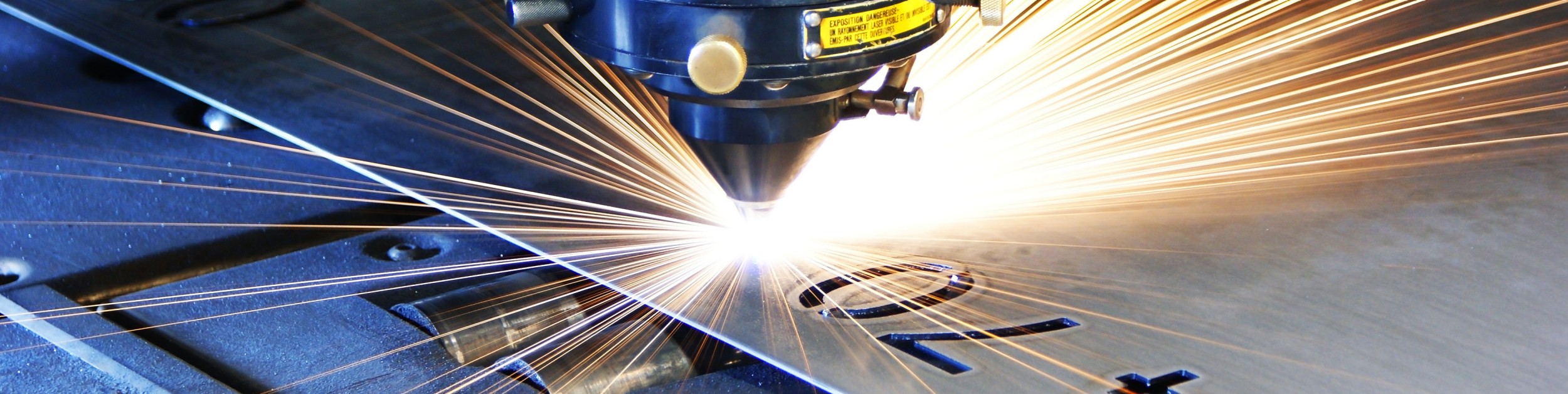
Learn the fundamentals of dust collection system design for laser cutting applications—from hoods and ductwork to cartridge collectors, fans, and electrical controls—plus practical guidance on spark mitigation and combustible dust considerations. This session walks through real-world decisions (e.g., open vs. enclosed tables, conveying velocities, cartridge collector sizing, nanofiber vs. flame-retardant media, VFDs) and shows how to size systems using the classic Q = V × A approach. Presented by Donaldson. Hosted by AST Canada — Industrial Air Filtration & Dust Collection.
Get help with design, retrofits, or troubleshooting:
https://astcanada.ca/services/dust-collection-system-design/
What you will learn:
- Why dust control matters in laser cutting (worker safety, air quality, exposure control, facility cleanliness, cutting quality, and uptime)
- How laser cutting generates fume: submicron particulate (as small as 0.1 micron), low bulk density, potentially toxic and combustible depending on material
- Open vs. enclosed laser tables: how machine type and laser power (3 kW to 30+ kW) drive airflow and filter media requirements
- Single-machine vs. cellular systems: when to connect one collector per laser vs. one collector to multiple machines
- Key design elements: capture velocity (150–200 fpm at the table face), conveying velocity (3,000–4,000 fpm in duct), and air-to-media ratio (AMR) tuned to laser power and duty cycle
- Duct selection: why round heavy-duty industrial duct is preferred over rectangular or spiral; how to minimize flex duct, mitered 90° turns, and energy losses
- Collector selection: why cartridge collectors suit laser cutting (low-to-medium dust loads, fine dry fume); when a packaged collector (≤3,000 CFM) is the right call
- Filter choices: nanofiber for surface cake filtration, flame-retardant media for spark exposure, HEPA after-filters for toxic materials like aluminum and stainless steel
- Fan sizing: backward inclined vs. radial blade fans; how to read a fan curve against total system static pressure
- Spark mitigation: spark-reducing inlets, inline spark coolers/traps, dropout boxes, and spark detection/quenching systems
- Electrical controls: motor starters, basic and advanced custom panels, VFDs for automatic airflow control, interlock integration with laser tables
- Remote monitoring: Donaldson iQ connected technology for real-time differential pressure, filter condition, and system alerts

AST Canada has been helping clients find solutions for their unique Dust, Mist & Fume Collection needs for more than 40 years.
We can help you too.